12 Jun 2026
Connections in Smartphone Casino Systems: Game Evaluations, Reward Chains, and Protected Payment Pathways
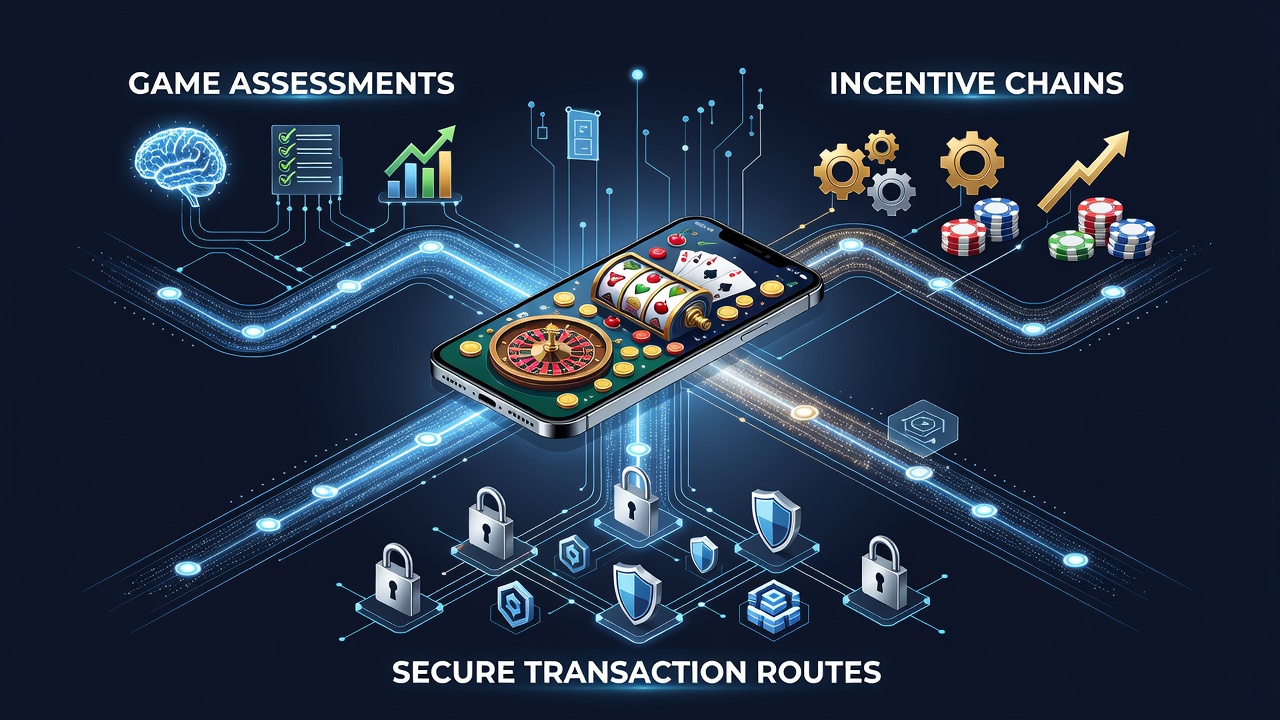
Smartphone-based casino ecosystems bring together game assessments, incentive structures, and transaction security in ways that shape how users engage with digital platforms, and researchers continue to track these overlaps through detailed analyses of user behavior and system performance. Game evaluations often focus on random number generator testing along with return-to-player percentages while incentive chains build sequences of bonuses that guide players from initial deposits toward sustained activity, and secure transaction routes rely on encryption protocols plus multi-factor authentication to protect financial movements across mobile networks.
Game Assessments and Their Role in Platform Design
Assessments of casino games on smartphones typically involve third-party laboratories that verify fairness standards, and data from these reviews feed directly into how platforms present titles to users, whereas developers adjust mechanics based on certification outcomes. Observers note that evaluation reports cover elements such as volatility levels and payout frequencies, which then influence placement in app stores and promotional visibility, while regulatory bodies in regions like New Jersey require ongoing audits to maintain operational licenses.
Figures from industry reports show that certified games experience higher retention rates because players trust verified mechanics, yet assessment processes also extend to mobile-specific factors including touch responsiveness and battery usage during extended sessions. Experts at organizations like the American Gaming Association have documented how these evaluations intersect with user interface decisions, creating pathways where technical compliance supports broader ecosystem stability.
Incentive Chains Connecting Bonuses Across Mobile Play
Incentive chains function as linked sequences where welcome offers transition into loyalty rewards and then into tiered VIP benefits, and these structures often synchronize with game assessments to highlight certified titles during promotional periods. Platform operators design these chains so that initial free spin allocations lead users toward deposit requirements, while subsequent layers unlock cashback or exclusive events based on accumulated activity metrics. Data indicates that well-structured chains increase session duration because each step builds on prior engagement without requiring separate navigation, and mobile apps facilitate this flow through push notifications that remind users of pending rewards.
Studies conducted by academic groups such as those at the University of Las Vegas have examined how incentive timing aligns with assessment results, revealing that players respond more consistently when bonuses feature games already rated for fairness. June 2026 projections from market analysts suggest continued growth in chain complexity as platforms incorporate real-time personalization drawn from assessment databases, allowing incentives to adapt dynamically to individual play patterns while remaining within compliance frameworks set by authorities like the Malta Gaming Authority.
Secure transaction routes form the backbone that supports both assessments and incentives because financial processing must remain uninterrupted for reward redemptions and deposit flows to function smoothly. Encryption standards such as TLS 1.3 combined with tokenization protect card details and cryptocurrency transfers on smartphones, and these measures integrate with assessment tools that monitor transaction speeds during peak usage times.
Secure Transaction Routes and Their Integration Points
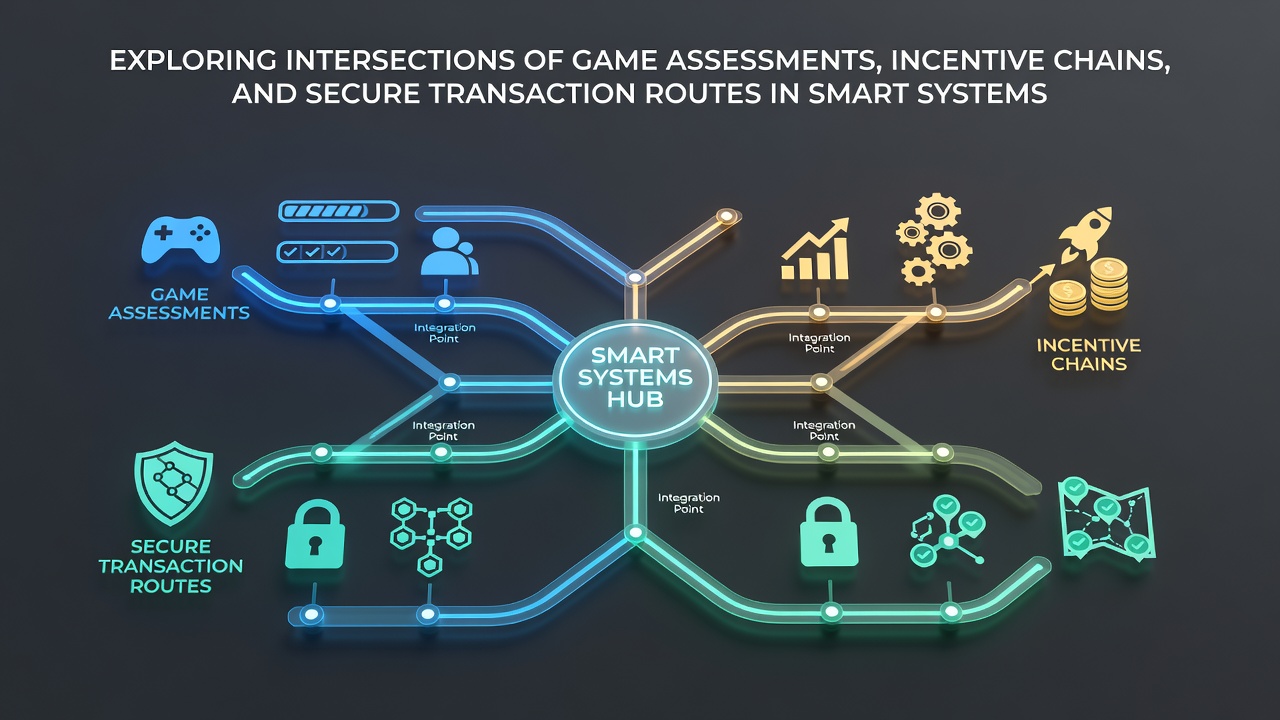
Transaction security intersects with incentive delivery when platforms verify funds before releasing bonus credits, which prevents abuse while maintaining chain momentum, whereas assessment data sometimes informs risk models that flag unusual payment patterns for review. Operators employ geolocation checks alongside biometric authentication on smartphones to strengthen these routes, and evidence from compliance reports shows reduced fraud incidents where multiple layers operate together. According to findings published by the Canadian Gaming Association, integrated systems that link transaction monitoring with game certification produce more reliable ecosystems because anomalies in payment behavior can trigger immediate assessment re-verifications if needed.
People who study these intersections point out that smartphone hardware advancements, including improved NFC capabilities, further streamline secure routes without sacrificing the incentive chain pacing that keeps users engaged across sessions. Regulatory updates scheduled around mid-2026 in various jurisdictions emphasize real-time reporting of transaction data tied to assessed games, creating additional feedback loops that refine both security protocols and promotional structures simultaneously.
Practical Examples of System Intersections
One documented case involves a European operator that synchronized game assessment scores with incentive triggers so that higher-rated titles automatically qualified for bonus multipliers, and this approach relied on secure transaction logs to confirm eligibility before rewards activated. Another example from North American platforms shows how transaction route analytics feed back into assessment updates, allowing developers to identify mobile-specific issues such as latency during high-volume bonus claims and adjust accordingly. These cases illustrate how the three elements reinforce one another rather than operating in isolation.
Conclusion
The intersections among game assessments, incentive chains, and secure transaction routes continue to define smartphone casino operations through shared data streams and compliance requirements, and ongoing developments in mobile technology support tighter integration across these components. Regulatory frameworks from multiple regions encourage transparency in how assessments influence incentives while mandating robust security for all transaction pathways, which collectively shapes user experiences in measurable ways. Future analyses will likely focus on how emerging standards affect these connections as platforms evolve to meet both technical and regulatory demands.