21 Jun 2026
Coordinating Transaction Pathways with User Engagement Cycles in Mobile Gaming Ecosystems
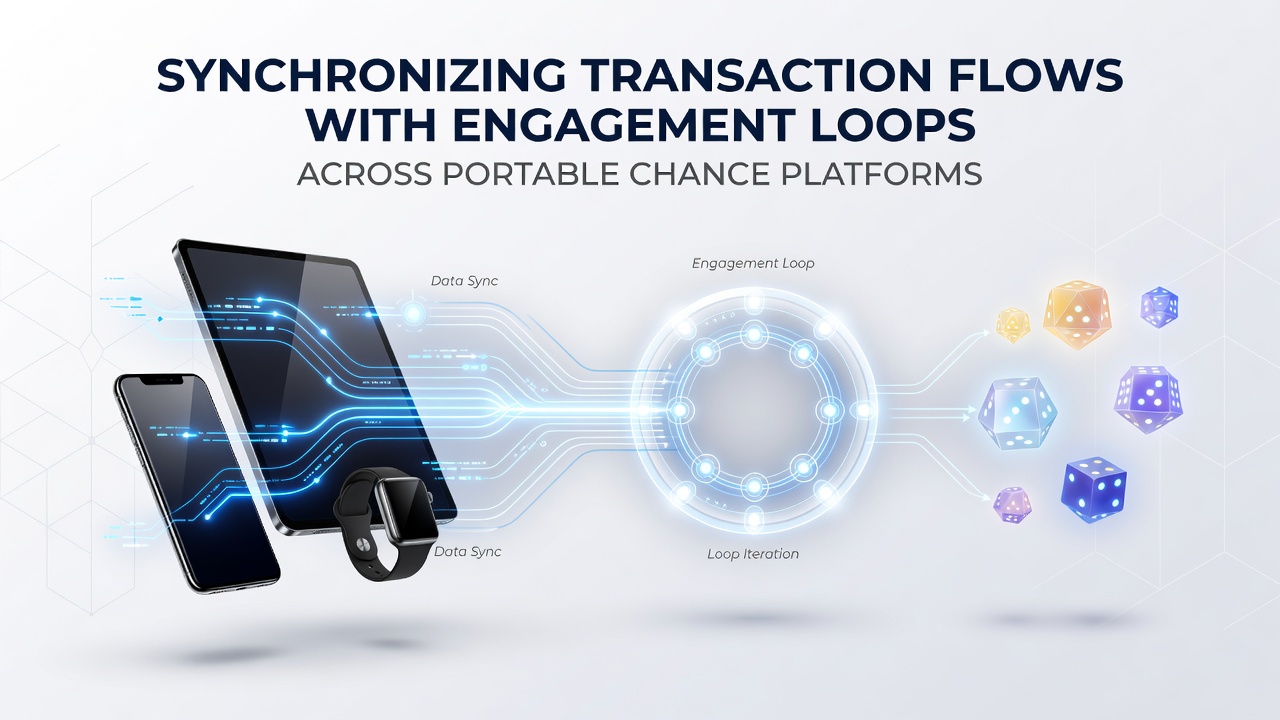
Portable chance platforms rely on precise coordination between financial transaction streams and player interaction cycles to maintain operational continuity across devices, and this integration draws from advances in mobile application architecture that process deposits and withdrawals in tandem with reward mechanisms such as progressive jackpots and loyalty escalators. Research indicates that these systems employ application programming interfaces to link payment gateways directly with backend databases that track user activity patterns, allowing real-time updates to bonus eligibility whenever a transaction completes successfully.
Core Components of Integrated Systems
Transaction flows encompass deposits via credit cards, e-wallets and bank transfers alongside withdrawals that require verification protocols, while engagement loops consist of sequenced incentives including free spin allocations, multiplier activations and tiered VIP benefits that activate based on cumulative play metrics. Observers note that synchronization occurs through event-driven triggers where a completed deposit immediately populates the user's bonus meter and unlocks corresponding engagement elements, reducing latency between funding actions and continued participation. Data shows that platforms utilizing cloud-based orchestration tools achieve sub-second response times for these handoffs, supporting uninterrupted sessions on smartphones and tablets.
Industry analyses from sources such as Gambling Research Australia reports highlight how regulatory frameworks in various jurisdictions require audit trails that document every linkage between monetary movements and reward distributions, ensuring compliance without disrupting user progression through engagement stages. In June 2026, updates to mobile operating systems introduced enhanced security layers that further stabilized these connections by incorporating biometric authentication into both payment confirmations and loyalty point accruals.
Technical Mechanisms Driving Synchronization
Developers implement event listeners within mobile applications that monitor transaction status codes and feed them into engagement algorithms responsible for calculating spin allocations or VIP point multipliers, and this architecture prevents discrepancies that could arise from network variability. Those who've examined code structures observe that database transactions wrap both financial records and engagement state changes in atomic operations, guaranteeing that either both update successfully or neither does to maintain consistency across sessions.
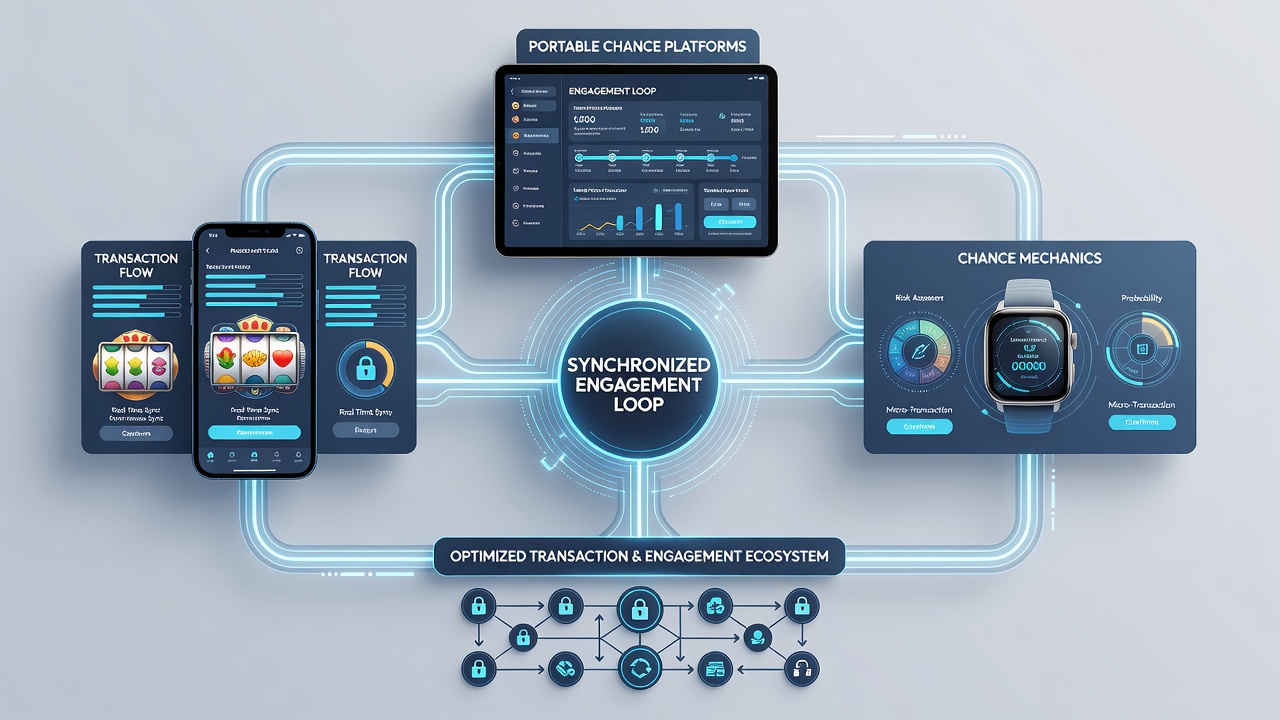
Payment processors interface with loyalty engines through standardized webhooks that transmit confirmation payloads containing amount, timestamp and user identifier details, enabling the engagement system to apply relevant multipliers or unlock progressive features without manual intervention. Figures reveal that such webhook-driven approaches handle thousands of concurrent operations per minute during peak periods, supporting scalability across global user bases while preserving the sequence of bonus triggers relative to deposit events.
Regional Regulatory Influences on Integration Practices
Authorities in North America and Europe establish technical standards that mandate separation of financial and gaming logic layers yet permit controlled data exchanges for engagement purposes, and platforms adapt their synchronization layers to meet these constraints through modular design patterns. The Nevada Gaming Control Board documentation outlines requirements for real-time reporting of synchronized events, which encourages operators to build logging mechanisms that capture transaction-engagement pairings for oversight reviews.
Canadian provincial regulators similarly emphasize secure data flows, prompting developers to incorporate encryption protocols that protect both payment credentials and engagement histories during transmission between mobile clients and central servers. These measures ensure that engagement loops remain responsive even when transaction volumes fluctuate due to promotional campaigns or seasonal activity spikes.
Operational Benefits Observed in Deployed Platforms
Platforms that achieve tight synchronization demonstrate higher retention metrics according to aggregated industry metrics, because players encounter fewer interruptions between funding their accounts and accessing associated rewards such as additional spins or elevated VIP status. Case examples from operators show that automated reconciliation processes between transaction ledgers and engagement trackers minimize manual adjustments, freeing resources for feature enhancements rather than error correction.
What's interesting is how these systems adapt during high-traffic events, where queued transactions receive priority processing that preserves the order of engagement triggers to avoid player frustration from delayed bonus activations. Researchers discovered through performance testing that edge computing nodes positioned near user locations accelerate both payment validations and subsequent loop updates, contributing to smoother experiences on variable network connections.
Conclusion
Coordinating transaction pathways with engagement cycles across portable chance platforms involves layered technical and procedural elements that together support continuous operation and regulatory adherence, and ongoing developments in mobile infrastructure continue to refine these connections. Evidence from multiple jurisdictions confirms that well-synchronized systems deliver consistent functionality while meeting oversight expectations, positioning them as foundational to modern mobile gaming operations.